AI Opportunity Assessment: Build Your Implementation Roadmap
An AI Opportunity Assessment uncovers your readiness and shapes a clear implementation roadmap. Request a proposal from Minister Scientist today.

An AI Opportunity Assessment is the first formal step healthcare and life-science organizations take before committing budget, staff, or community trust to a new artificial intelligence system. In practice, it functions as a readiness assessment: a structured look at your data, culture, and workflows that reveals where AI can genuinely help and where it could quietly do harm. Consequently, the findings become the foundation for a realistic implementation roadmap rather than a guess dressed up as strategy.
Direct answer: An AI Opportunity Assessment evaluates an organization's data quality, workforce readiness, governance, and community trust before AI adoption, then converts those findings into a prioritized, phased implementation roadmap. It exists to prevent costly, inequitable, or unsafe AI deployments.
An AI Opportunity Assessment brings clinical, technical, and community voices to the same table before any tool is purchased.
What Is an AI Opportunity Assessment?
An AI Opportunity Assessment is a structured evaluation that answers one question: is this organization actually ready for the AI initiative it is considering? Rather than starting with a vendor demo, the assessment starts with your own systems. Specifically, it examines data infrastructure, staff capacity, compliance posture, and the communities an AI tool would ultimately touch.
Unlike a vendor's sales pitch, the assessment is deliberately independent. As a result, leadership receives an unvarnished picture of where the organization stands, including the uncomfortable gaps that often get skipped in enthusiasm for new technology. According to the NIST AI Risk Management Framework, trustworthy AI depends on governance maturity assessed early, not bolted on after deployment, which is precisely what this readiness assessment process is designed to surface.
Why a Readiness Assessment Comes Before Any AI Purchase
Health systems and life-science organizations often move straight from a conference keynote to a procurement contract. However, that sequence skips the step that determines whether the tool will actually work in that organization's environment. A readiness assessment forces a pause, and that pause is where risk gets caught early instead of expensively later.
For example, a hospital network might discover that its patient data is clean enough for billing but far too fragmented for a predictive model to perform fairly across all demographic groups. Similarly, a medical-device company might learn that its engineering team is AI-capable but its clinical affairs team has no process for reviewing algorithmic bias. In both cases, the health equity implications surface only because someone looked before building. This is why treating the assessment as optional tends to be the most expensive shortcut an organization can take.
Inside the AI4EQUITY™ Framework Behind Every Assessment
At Minister Scientist, every AI Opportunity Assessment runs on the AI4EQUITY™ Implementation Framework, a six-pillar methodology grounded in community-based participatory research and system dynamics. In particular, the framework treats trust, accountability, and cultural context as conditions of performance, alongside accuracy and cost, rather than as afterthoughts.
- Evaluation — establishing an honest baseline of current data, staffing, and prior technology efforts.
- Quantify — measuring scope with real numbers, such as affected patient volume or cost exposure.
- Understanding — listening to clinical and community stakeholders about trust and workflow concerns.
- Identity — examining cultural and lived-experience impact on the populations most affected.
- Translation — converting findings into a phased, actionable plan with named owners.
- Yield — defining measurable outcomes that include human trust, not just accuracy and cost.
Notably, this structure is why the consulting engagements at Minister Scientist differ from a standard technology audit. Each pillar produces a deliverable, and together those deliverables become the evidence base for the roadmap that follows.
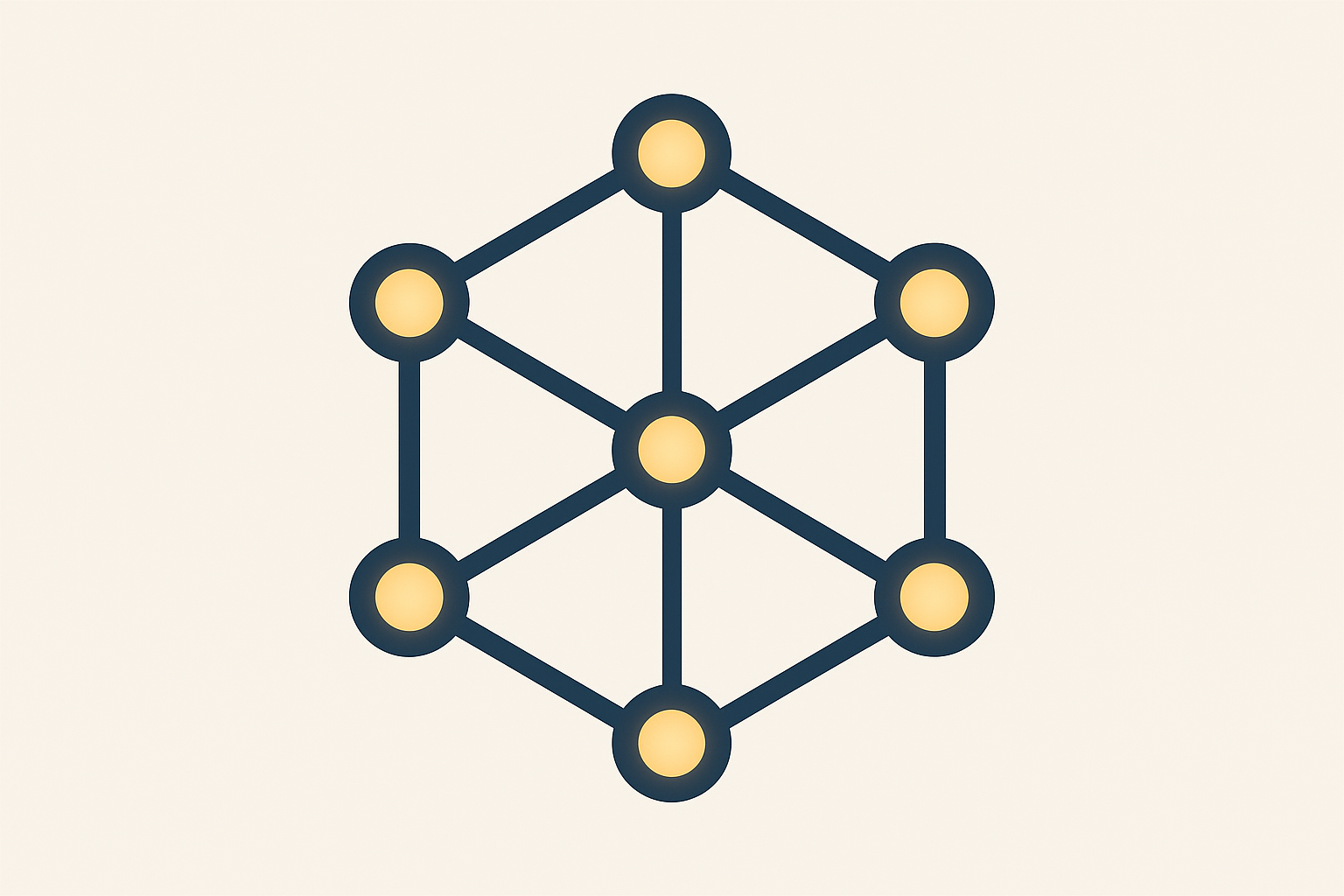
Each pillar of the AI4EQUITY™ framework feeds directly into the organization's implementation roadmap.
How to Build Your Implementation Roadmap in 90 Days
Once the assessment concludes, findings need a home. Therefore, the next phase translates raw observations into a sequenced, 90-day implementation roadmap that staff can actually follow. Below is the general process we use with health systems, biotechnology firms, and academic medical centers.
- Confirm the baseline. Document current data infrastructure, staffing, and any prior AI pilots so the roadmap starts from fact, not optimism.
- Rank opportunities by evidence. Quantify each potential AI use case by affected volume and cost exposure, then sequence priorities accordingly.
- Build in stakeholder checkpoints. Schedule structured input from clinical staff and community representatives at defined milestones, not just at the end.
- Assign named owners. Every workstream in the roadmap needs a specific accountable person, otherwise momentum stalls after the kickoff meeting.
- Set a 12 to 18 month review. Readiness changes as regulations and data evolve, so the roadmap should include a scheduled reassessment date.
Importantly, a 90-day window is short enough to maintain urgency, yet long enough to produce real governance artifacts rather than slideware. Organizations seeking a fractional Chief AI/Health Equity Advisor often use this window to decide whether ongoing advisory support, rather than a one-time engagement, fits their long-term needs.
AI Opportunity Assessment vs. Traditional AI Audits
A traditional AI audit typically happens after a system is live, checking whether it meets technical or regulatory standards. In contrast, an AI Opportunity Assessment happens before deployment and asks a broader question: should this organization build this particular AI capability at all, and if so, how?
This distinction matters because audits can confirm compliance while still missing equity harm baked into a model's training data. By comparison, the assessment's Identity and Understanding pillars specifically look for that kind of harm while there is still time to redesign the approach. The World Health Organization's guidance on AI in health echoes this point, noting that governance frameworks work best when applied before, not after, a system reaches patients.
Who Needs an AI Opportunity Assessment?
Health systems evaluating a new clinical decision-support tool, medical-device companies preparing a regulatory submission, and academic medical centers launching a research AI program all benefit from this process. Likewise, government health agencies and foundations funding health innovation use the assessment to vet grant proposals before releasing funds.
Smaller health-tech startups sometimes assume this step is only for large institutions. In reality, catching readiness gaps early is often cheaper for a small team, since rework at scale costs far more than rework before launch. Dr. James A. Washington III, who brings a pastoral background together with twenty-five years in strategic planning and research administration, built this process specifically for organizations that cannot afford to treat equity as an afterthought.
Common Mistakes Organizations Make Without an AI Opportunity Assessment
Without a readiness assessment, organizations tend to buy AI tools based on vendor demos rather than internal fit, which frequently leads to low staff adoption. Furthermore, they often discover data quality problems only after a model has already produced skewed results in production.
A 2024 industry survey found that a majority of healthcare AI pilots never reach full deployment, largely because of governance and trust gaps identified too late. Consequently, treating assessment as a formality rather than a genuine diagnostic step is one of the costliest mistakes an organization can make on its AI journey.
Frequently Asked Questions About AI Opportunity Assessment
What is an AI Opportunity Assessment?
An AI Opportunity Assessment is a structured review of an organization's data, workflows, culture, and governance to determine where artificial intelligence can responsibly add value. It identifies readiness gaps before any tool is purchased or built.
How long does an AI Opportunity Assessment take?
Most assessments take four to eight weeks, depending on organizational size and data complexity. A multi-facility health system typically falls toward the longer end of that range.
How much does an AI readiness assessment cost?
Cost varies with scope, departments involved, and depth of data review, so pricing is proposal-based rather than fixed. Requesting a proposal is the most reliable way to get an accurate figure.
What is the difference between an AI Opportunity Assessment and a general AI audit?
A general audit usually checks compliance after a system is already running. An assessment happens earlier, evaluating readiness and equity fit before deployment decisions are made.
Why do health systems need an AI Opportunity Assessment before adopting AI?
Health systems carry unique risks around patient trust, bias, and clinical safety. Skipping readiness review can embed inequity into automated decisions before anyone notices.
What happens after the assessment, and how do you build an implementation roadmap?
Findings are translated into a phased roadmap with sequenced priorities, owners, and milestones, often structured around a 90-day initial action plan. The roadmap connects technical steps to staffing and community engagement needs.
Who should be involved in an AI Opportunity Assessment?
Clinical, data, compliance, and community-facing leaders should all participate, not just the IT department. Including frontline staff produces a more accurate picture of real-world readiness.
What is the AI4EQUITY™ Implementation Framework?
It is a six-pillar methodology, Evaluation, Quantify, Understanding, Identity, Translation, and Yield, grounded in community-based participatory research. It treats trust and cultural context as conditions of AI performance, not optional add-ons.
What are common mistakes organizations make without an AI Opportunity Assessment?
Organizations often buy tools before confirming data quality or staff capacity, leading to costly rework later. Skipping assessment also hides equity risks until after real people have already been affected.
Can small health-tech startups benefit from an AI Opportunity Assessment?
Yes, smaller organizations benefit because an assessment prevents expensive missteps before scaling. Early-stage companies can design equitable, defensible products from day one.
How does health equity fit into an AI Opportunity Assessment?
Health equity is assessed alongside technical readiness, examining whether a use case could disproportionately help or harm specific populations. This dual lens separates a true assessment from a narrow technology audit.
What is a fractional Chief AI/Health Equity Advisor, and how does it relate to the assessment?
A fractional advisor is a part-time senior guide who carries assessment findings into ongoing implementation without a full-time executive hire. This role often sustains the roadmap well beyond the initial 90 days.
How often should an organization repeat its AI readiness assessment?
Most organizations revisit readiness every 12 to 18 months, or sooner if new AI use cases or regulations emerge. Treating assessment as a one-time event is a common and costly mistake.

A clear implementation roadmap turns assessment findings into milestones your team can actually walk toward.
Information you share with this practice — through an inquiry, a book order, a speaking or advisory engagement, or any correspondence — belongs to you. We use it for one purpose only: to serve you well. It is never sold, rented, licensed, or disclosed to third parties for marketing, advertising, resale, or referral. We do not participate in data brokerage of any kind, and we never will.
An AI Opportunity Assessment is not a bureaucratic delay; it is the groundwork that keeps AI accountable to the people it affects most. By pairing a clear-eyed readiness assessment with a phased implementation roadmap, healthcare and life-science organizations can move forward with confidence rather than guesswork. If your organization is weighing its next AI decision, explore the consulting services and the AI4EQUITY™ framework at Minister Scientist, preorder the AI for Human Enrichment series, browse the full book collection, or review speaking engagement options for your next convening. Above all, remember that every roadmap built on a sound AI Opportunity Assessment keeps human dignity and trust at the center of technological progress.